Loading CEMA Medical Center
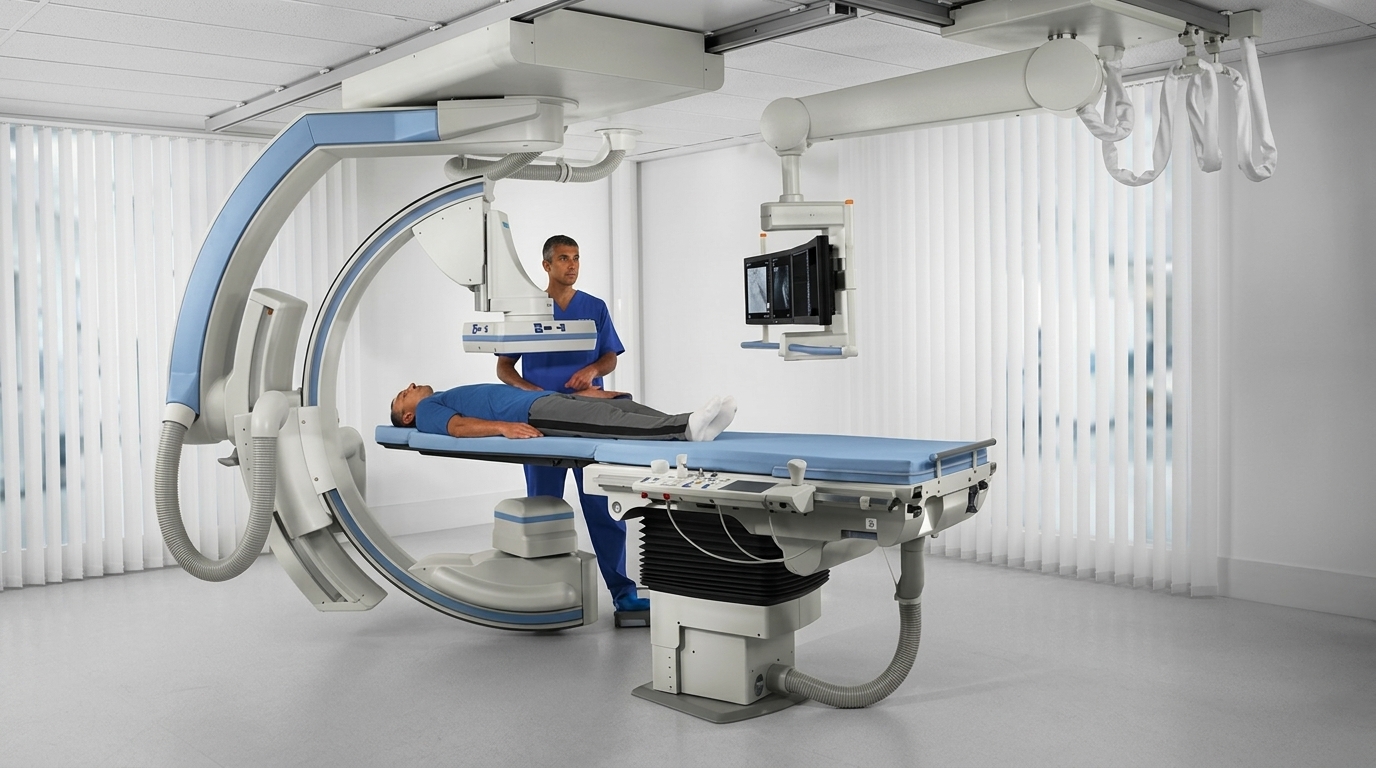
A CEMA imaging suite prepared for a scan

Empire Tower, Bechara El Khoury St Mon–Fri 07:00–18:00 · Sat 07:00–14:00

+961 1 66 68 01
Beirut · Established 2014

Diagnostic results

your physician can act on

Book an appointment

Imaging suite

Scroll

CEMA is a leading diagnostic center specializing in comprehensive imaging and laboratory testing

Imaging, cardiology, neurology and a full clinical laboratory sit under one roof in central Beirut — so a complete diagnostic picture takes one visit, not four.

Where we name the equipment, we name the model: a Vantage Titan 1.5T MRI with silent Pianissimo imaging and a wide bore, a 32-slice CT, and an Aplio 400 ultrasound platform. Reports are written by sub-specialised radiologists and released to you and your physician through a secure portal.

Book an appointment Get your results

  • 12modalities on site
  • 24 htypical imaging report
  • 07:00doors open, Mon–Sat
  • Licensed by the Lebanese Ministry of Public Health
  • ISO 9001:2015 quality management
  • ISO 15189 laboratory accreditation — in progress
  • Radiation safety audited annually
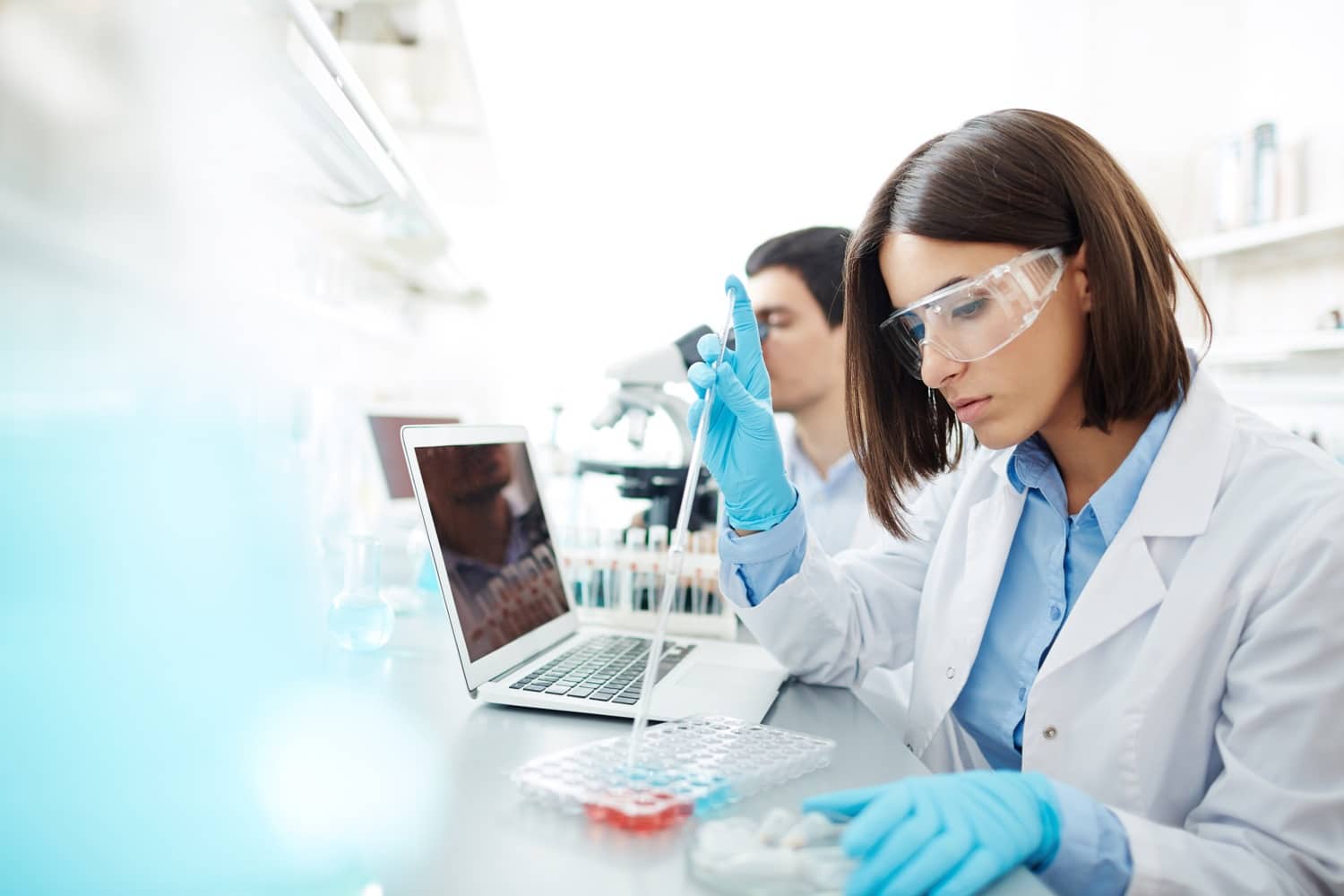
A CEMA technician processing samples in the laboratory

A complete diagnostic service, not a single test

Four things separate CEMA from a single scan or a single test. Each one has a section below that shows its working.

  • 01

    One center, twelve modalities

    MRI, CT, ultrasound, mammography, dental imaging, DXA, cardiology, neurology, sleep studies and capsule endoscopy — booked together, done in one morning.

  • 02

    Results online

    Reports released through a secure portal as soon as they are validated, with images your physician can open. No second trip to collect paper.

  • 03

    At-Home Lab

    Blood and sample collection at the address and hour you choose, transferred under controlled conditions and run on the same analysers as the centre.

  • 04

    Equipment stated, not implied

    We name the exact platform behind every scan, and the radiologist who reads it — no guessing what you're being examined with, or by whom.

Eleven services, one visit

Each exam lists what it looks for, how long it takes, when the report is ready and how to prepare. Not sure which one your referral calls for? Call +961 1 66 68 01 — the desk will read it with you.

Book any exam

  • 01MRI · Vantage Titan 1.5T

    Duration
    20–45 min
    Report
    within 24 h

    Magnetic imaging with no radiation. Silent Pianissimo sequences and a wide bore make it workable for anxious, paediatric and larger patients.

    What it detects & how to prepare
    • Brain and spine, joints and soft tissue, abdomen and pelvis, non-contrast MR angiography, MRCP, multi-parametric prostate MRI.
    • Take your medications as normal. Leave jewellery and valuables at home.
    • Arrive 30 minutes early for the safety screening form; tell us about any implant or pacemaker.
  • 02CT scan · 32-slice

    Duration
    about 15 min
    Report
    within 24 h

    Fast cross-sectional X-ray imaging with 3D reconstruction, including cardiac calcium scoring and CT angiography.

    What it detects & how to prepare
    • Chest, abdomen and pelvis, coronary calcium score, angiography, sinuses, dental planning, full-body trauma and bone 3D.
    • Remove all metal. If contrast is planned, do not eat for 4 hours and bring a recent creatinine result.
    • After contrast, drink about five glasses of water.
  • 03Ultrasound 3D / 4D · Aplio 400

    Duration
    15–30 min
    Report
    same day

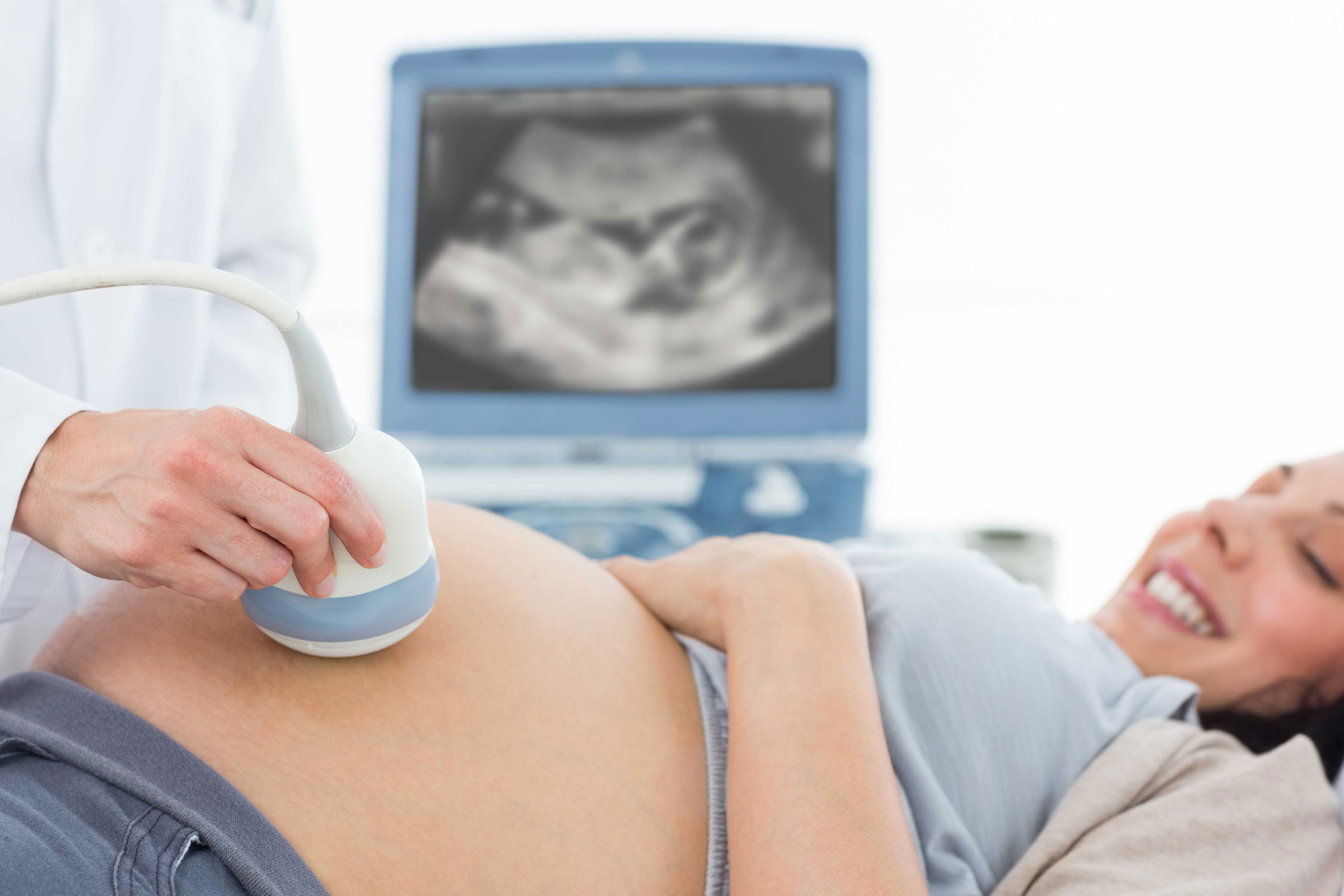
    No radiation, so it is the modality of choice in pregnancy. Doppler, elastography and volume imaging on one platform.

    What it detects & how to prepare
    • Abdominal organs, pelvis and obstetrics, thyroid, breast, vascular Doppler, musculoskeletal, liver elastography, ultrasound-guided biopsy.
    • Abdominal scans: fast for 6 hours. Pelvic scans: arrive with a full bladder.
  • 04Clinical laboratory

    Duration
    5-min draw
    Report
    routine by 16:00 same day

    Walk-in or at home. Hematology, biochemistry, serology, hormonology, immunology and microbiology on automated analysers.

    What it detects & how to prepare
    • Blood counts and coagulation, metabolic and lipid panels, infection serology, thyroid and reproductive hormones, autoimmune markers, cultures. Specialised send-outs in 2–5 days.
    • Fast 8–12 hours for most panels, water only. Come before 10 a.m. where possible and rest 10 minutes before the draw.
  • 05Cardiology

    Duration
    20–60 min
    Report
    same day

    ECG, echocardiography, exercise stress testing, 24-hour Holter and ambulatory blood pressure monitoring.

    What it detects & how to prepare
    • Rhythm disorders, valve and pump function, ischaemia under exertion, hypertension patterns over a full day.
    • Wear comfortable clothes and shoes for a stress test; no caffeine for 4 hours; bring your medication list.
  • 06Digital mammography

    Duration
    15 min
    Report
    24–48 h

    Screening and diagnostic breast imaging, read together with breast ultrasound in the same visit when needed.

    What it detects & how to prepare
    • Masses, microcalcifications and architectural change; routine screening from 40, earlier with family history.
    • Book one week after your period. No deodorant, powder or lotion on the day. Bring prior films for comparison.
  • 07Bone densitometry · DXA

    Duration
    10 min
    Report
    same day

    Low-dose measurement of bone mineral density at the hip and spine, with fracture-risk scoring.

    What it detects & how to prepare
    • Osteopenia and osteoporosis, treatment follow-up, fracture risk (FRAX).
    • No calcium supplements for 24 hours before. Not within a week of a barium study or contrast CT.
  • 08Panoramic & dental imaging

    Duration
    5 min
    Report
    same day

    Panoramic (OPG) and cephalometric views, plus dental CT for implant planning.

    What it detects & how to prepare
    • Impacted wisdom teeth, bone levels, sinus and jaw joint anatomy, implant site measurement.
    • Remove earrings, piercings, glasses and removable dentures before the exposure.
  • 09Fluoroscopy

    Duration
    20–40 min
    Report
    within 24 h

    Real-time X-ray for contrast studies of the digestive tract and uterus, and for guided joint injections.

    What it detects & how to prepare
    • Barium swallow and meal, hysterosalpingography, voiding studies, arthrography.
    • Preparation depends on the study; digestive studies need a 6-hour fast. The desk will confirm when you book.
  • 10Neurology · EEG, EMG & nerve studies

    Duration
    45–60 min
    Report
    within 48 h

    Electrical recording of brain, nerve and muscle activity, read by a consultant neurologist.

    What it detects & how to prepare
    • Seizure disorders, peripheral neuropathy, carpal tunnel and other entrapments, radiculopathy, myopathy.
    • EEG: clean, dry hair with no gel or spray; sleep-deprived studies on request. EMG: no lotion on the limbs.
  • 11Capsule endoscopy

    Duration
    8 h transit
    Report
    3–5 days

    A swallowed camera capsule that images the small bowel over a normal day — no sedation, no scope.

    What it detects & how to prepare
    • Obscure gastrointestinal bleeding, Crohn's disease of the small bowel, polyps and tumours beyond the reach of a scope.
    • Clear liquids only the day before, nothing by mouth for 12 hours, and no iron supplements for a week.

The equipment, by name

Three platforms, with the same three things stated for each: what it is, what it does that others do not, and what that means once you are on the table.
  • The Vantage Titan 1.5T MRI suite
    01 · Magnetic resonance

    Canon Vantage Titan 1.5T

    Field strength
    1.5 tesla, 71 cm wide bore
    Signature
    Pianissimo silent imaging, up to 99 % quieter
    For patients
    The noise that makes MRI hard for children and anxious adults is mostly gone; the wide bore matters for claustrophobia and larger patients.
  • The 32-slice CT scanner
    02 · Computed tomography

    32-slice multidetector CT

    Detector
    32 slices per rotation, sub-millimetre
    Signature
    Iterative dose reduction, cardiac gating, 3D and dental reconstructions
    For patients
    A whole-body study in a single breath-hold and a calcium score in minutes, at a fraction of the historical dose.
  • The Aplio 400 ultrasound suite
    03 · Ultrasound

    Canon Aplio 400

    Imaging
    3D / 4D volume, colour and power Doppler, shear-wave elastography
    Signature
    Needle guidance for biopsy, musculoskeletal and obstetric presets
    For patients
    No radiation at all — the first choice in pregnancy and for anything that needs repeating.

The laboratory comes to you

Book At-Home Lab

A blood draw takes four minutes. Getting to it should not take your morning.
  • A laboratory scientist holding a blood sample tube beside a rack of blood tubes and a microscope

    Hematology

    Full blood counts, coagulation studies and blood film review — the panels that describe how the blood itself is behaving.
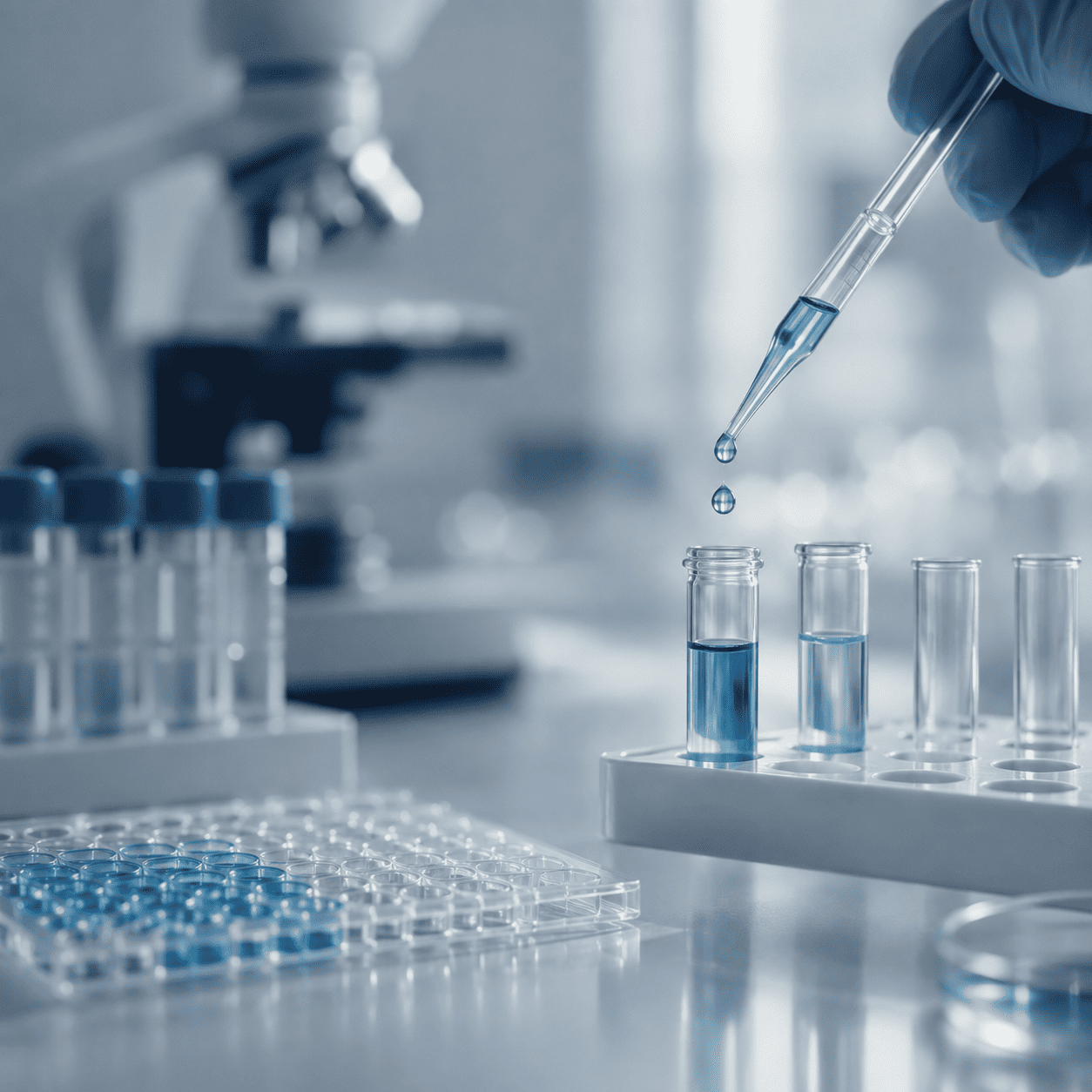
  • A gloved hand pipetting a sample into a rack of vials beside a microtitre plate

    Biochemistry

    Metabolic, renal, liver and lipid panels — the chemistry that shows how the organs are coping.
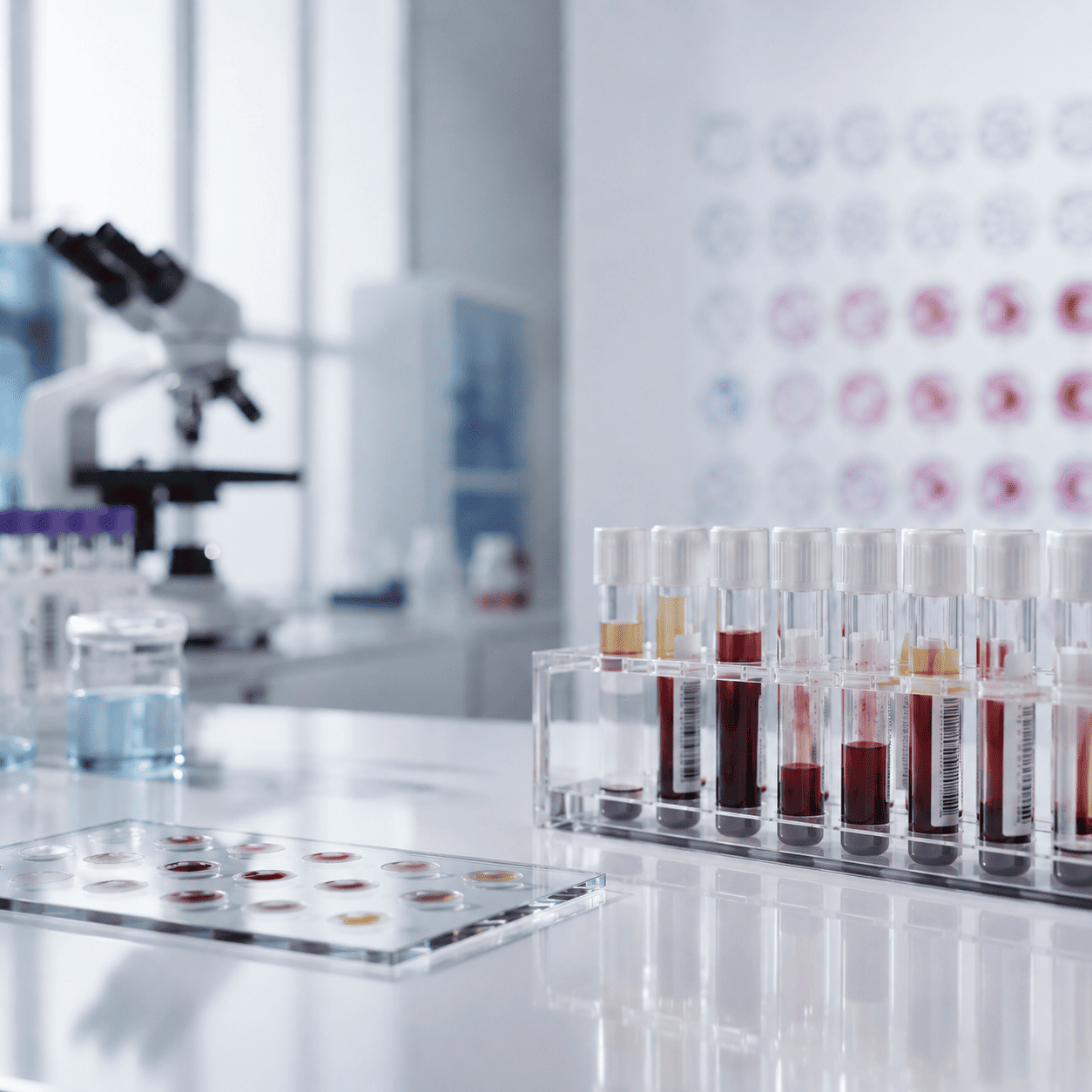
  • A rack of labelled blood sample tubes beside a slide tray and a microscope

    Serology

    Antibody and antigen testing for infection, run on the same sample drawn at your door.
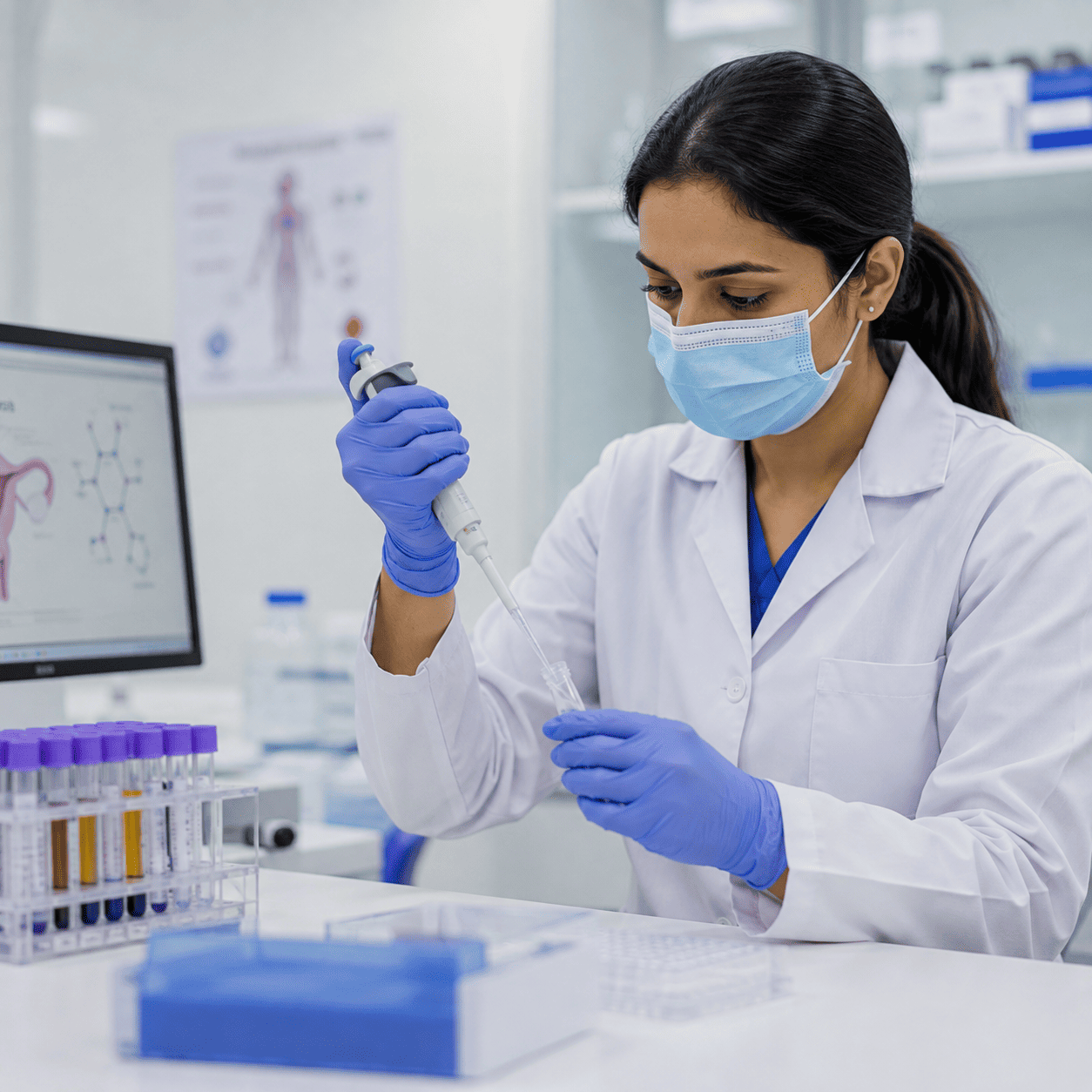
  • A laboratory scientist pipetting a sample into a tube beside a rack of samples

    Hormonology

    Thyroid, reproductive and adrenal panels, where the hour a sample is drawn matters as much as the assay.

  • A laboratory scientist pipetting into a microtitre plate beside a screen showing virus particles

    Immunology

    Autoimmune markers and immune-function panels, handled under the same controlled transit as everything else.

Read by specialists, not generalists

Every report carries the name of the physician who signed it. Sub-specialised radiologists, a clinical pathologist running the laboratory, and consultants in cardiology and neurology on site.

  • Dr. Nadine Haddad

    Radiologist · MRI and neuroimaging

    Medical director. Trained in Beirut and Lyon; leads the MRI protocols and paediatric imaging.

  • Dr. Karim Abou Jaoudé

    Radiologist · CT and body imaging

    Oncologic and cardiac CT, calcium scoring and CT angiography.

  • Dr. Rania Khalil

    Clinical pathologist · Laboratory director

    Responsible for the analysers, quality control and every validated result.

  • Dr. Elie Nassar

    Cardiologist

    Echocardiography, stress testing and ambulatory monitoring.

  • Dr. Maya Saliba

    Obstetric and gynaecological ultrasound

    Pregnancy follow-up, 4D scans and fertility imaging.

  • Dr. Samer Tabet

    Neurologist · EEG and EMG

    Neurophysiology, epilepsy work-up and nerve conduction studies.

What patients say

  • The MRI was quiet enough that my eight-year-old fell asleep in it. The report was on the portal before we got home.

    Rita K. · MRI, paediatric
  • Nurse came to my mother's flat at 7:30, drew the blood, and the results were with her cardiologist by the afternoon.

    Georges M. · At-Home Lab
  • They told me exactly which machine I would be in and who would read the scan. That transparency is why I came back.

    Lina A. · CT scan
  • Echo, blood work and a Holter fitted in one morning. One receipt, one portal login, everything in one place.

    Fadi S. · Cardiology

Insurance & payment

Direct billing with the providers listed. Bring your card and referral; the desk checks coverage before the exam so there are no surprises after it.

Accepted providers

  • NSSF — Social Security
  • Ministry of Public Health
  • Army & ISF cooperatives
  • Allianz SNA
  • AXA Middle East
  • Bankers Assurance
  • Cigna
  • GlobeMed
  • MedNet
  • LibanoSuisse
  • Arope
  • Fidelity

Payment methods

  • Cash — USD or LBP
  • Visa / Mastercard
  • Bank transfer
  • OMT & Whish

NSSF patients

Bring the stamped NSSF form, your referral and your ID. Laboratory and most imaging are covered on presentation; MRI and CT need prior approval, which the desk can request for you — allow two working days. Any difference is settled at the desk on the day.

Prepare properly, once

An unfasted blood sample or a metal clasp inside a scanner can each make a result unreadable — and send you back for a second visit. Every rule is here — find your exam and read only the lines under it.

Still unsure? Call +961 1 66 68 01 before your appointment date.

  • Blood sample

    • Do not eat for 8–12 hours before the test. Water only.
    • Avoid fatty foods and alcohol for 1–2 days beforehand.
    • Do not smoke for one hour prior to the test.
    • Come before 10 a.m. where possible and rest for 10–15 minutes before the draw.
    • Tell the technician about every medication you take, including supplements.
  • Urine sample

    • Use the morning sample, after washing the genital area, collecting the middle portion of the stream.
    • Use a container from CEMA or a pharmacy — not a household jar. Secure the lid and label it with your name.
  • MRI

    • Take your daily medications as normal unless told otherwise. Leave valuables and jewellery at home.
    • Arrive 30 minutes early, complete the MRI screening form and change into a gown.
    • Tell us about pacemakers, implants, metal fragments or a possible pregnancy.
  • CT scan

    • Remove all metallic items and jewellery. The scan itself takes approximately 15 minutes.
    • With contrast: fast for 4 hours, bring a recent kidney-function result, and drink about five glasses of water afterwards.
  • Mammography

    • Schedule the exam one week after your period, not before. Tell the technician if there is any possibility you are pregnant.
    • Do not apply deodorant, powder or lotion on the day. Bring prior mammograms for comparison.
  • Ultrasound

    • Abdominal: nothing to eat for 6 hours. Pelvic and early obstetric: drink a litre of water an hour before and do not empty your bladder.
    • Thyroid, breast, musculoskeletal and Doppler studies need no preparation.

Questions patients ask

The ones the desk answers every day. Anything else, WhatsApp +961 78 837 501.

Do I need a referral?
  • For laboratory tests, no — walk in or book At-Home Lab. For imaging that uses radiation or contrast (CT, mammography, fluoroscopy) and for MRI, yes: a physician's prescription is required, and insurers ask for it too.
How quickly will I get my results?
  • Routine laboratory panels are released the same day, usually by 16:00. Ultrasound and cardiology reports the same day; MRI and CT within 24 hours; specialised send-out tests in 2–5 days. Urgent cases are read the same day when the referral says so.
Can I have an MRI if I have an implant?
  • Often yes — most modern orthopaedic implants, stents and dental work are MRI-safe. Pacemakers, cochlear implants and some aneurysm clips need checking first. Bring the implant card and call before booking.
Is it safe during pregnancy?
  • Ultrasound and laboratory tests, yes. MRI without contrast is used when needed after the first trimester. X-ray, CT, mammography and fluoroscopy are avoided — always tell the technician if you might be pregnant.
Do you see children?
  • Yes. The silent MRI sequences were chosen with children in mind, a parent can stay in the room for most exams, and paediatric blood draws are done by staff trained for them.
Can I just walk in?
  • Laboratory and X-ray, yes, during opening hours. MRI, CT, ultrasound and cardiology are by appointment — same-week slots are usual, same-day for urgent referrals.
Will my physician get the images?
  • Yes. The portal link you receive opens the report and the full image series; you can forward it, and referring physicians can be given direct access. A CD or film is available on request.
Where do I park, and which languages do you speak?
  • Empire Tower has an underground car park; the centre validates the first hour. Staff speak Arabic, French and English.

Your results, online

Every report is released to a secure portal the moment the physician validates it. If you already have an account from our previous system, the same file number and password work here.

  1. 1

    Your exam is done

    The desk gives you a file number on your receipt. Keep it — it identifies you every time.

  2. 2

    You get an SMS

    When the report is validated, a one-time access code arrives on the mobile number you registered.

  3. 3

    Log in, read, share

    Open the report and images, download the PDF, or send a link straight to your physician.

Results are kept online for five years. Prefer paper? Ask the desk — printed reports are still available.

Request an appointment

A medical consultant calls you back within one working hour to confirm the slot, the preparation and what to bring. Fields marked * are required.

Prefer to talk? +961 1 66 68 01 or WhatsApp +961 78 837 501, Mon–Fri 07:00–18:00, Sat 07:00–14:00.

Preferred time

We call every patient to confirm the booking.

Health notes

Short, practical reading from our physicians on what the exams show and when they are worth having.

CEMA Medical Center

Empire Tower, Bechara El Khoury Street, Beirut, Lebanon
Phone: +961 1 66 68 01 / 02 / 03
WhatsApp: +961 78 837 501
Email: info@cema.com.lb

Open in Google Maps

Opening hours

Monday to Friday — to
Saturday — to
Sunday — closed

Laboratory walk-in closes earlier: 17:00 on weekdays, 13:00 on Saturday. Underground parking in Empire Tower, first hour validated.

Book an appointment